This article contains affiliate links. We may earn a small commission if you purchase through these links, at no extra cost to you.
Tanushree Dutta’s Diet Overview
Tanushree Dutta won Femina Miss India Universe in 2004 at 20, went straight into Bollywood with Aashiq Banaya Aapne in 2005, and followed it with Chocolate, Bhagam Bhag, Good Boy, Bad Boy and Apartment. Then she stepped away from the industry, moved to the United States, and came back into the headlines in 2018 when she reignited the #MeToo conversation in India. She’s been a constant in Indian search ever since — and the question that keeps coming up alongside her name is how she eats and trains.
Here’s the honest part: Tanushree Dutta has never released a formal, trainer-signed meal plan. What she has talked about publicly is her shift toward spirituality, yoga, meditation and a quieter lifestyle after leaving films, plus the weight fluctuations she dealt with during her years away from the camera and the work she put in to get back in shape. So what follows is partly what she’s described in interviews and on social media, and partly a realistic sattvic vegetarian template built around the Indian staples a 170 cm (5 ft 7 in) former pageant winner would actually eat. Treat the day-by-day menu as a model, not a transcript.
Her reported stats during her modelling years: around 5 ft 7 in, about 55 kg, with pageant-era measurements listed at 34-26-35. She’s publicly acknowledged putting on weight during her break and dropping it again — the sort of swing most women recognise far more than a permanently shredded celebrity physique.
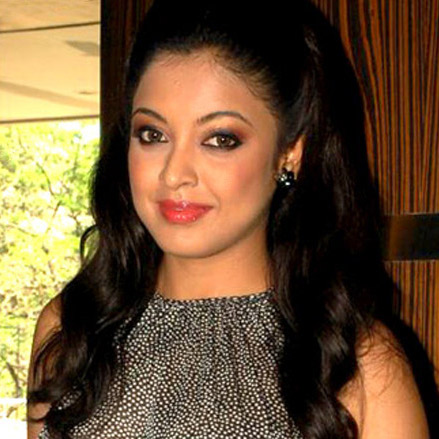
Image: Bollywood Hungama / CC BY 3.0, via Wikimedia Commons
What Tanushree Dutta Eats in a Day
Breakfast
Warm water with lemon first thing, before anything else. Breakfast lands around 8:30–9 am and leans traditional: two idlis with sambar and coconut chutney, or a bowl of vegetable poha, or two multigrain rotis with a dry sabzi. On heavier training days, swap in a vegetable besan chilla with a glass of buttermilk for more protein. Green tea or plain black tea on the side — no sugar.
Mid-Morning Snack
Fruit. One seasonal piece — papaya, guava, pomegranate or a banana depending on the month — plus a small handful of soaked almonds and two walnuts. Soaking nuts overnight is standard practice in Indian households and it’s easier on digestion.
Lunch
The biggest meal of the day, eaten between 1 and 2 pm. A typical plate: one cup cooked rice or two phulkas, a bowl of dal (moong or masoor), a seasonal vegetable sabzi, a small bowl of curd, and a raw salad of cucumber, tomato, onion and carrot with lemon. Bengali kitchens run on rice and a soupy dal, so the rice stays rather than getting cut.
Afternoon Snack
Roasted chana or makhana, around a 30 g portion, with herbal or ginger tea. Occasionally a bowl of sprouts chaat with chopped onion, coriander and lemon.
Dinner
Early and light — ideally before 8 pm. One or two rotis with a vegetable curry, or a bowl of khichdi with ghee and a side of curd, or a clear vegetable soup with paneer bhurji. Carbs get dialled back at night, not eliminated.
Evening / Before Bed
Warm turmeric milk or plain warm water. Nothing solid after dinner.
Diet Rules and Principles
The framework here is sattvic eating — the yogic approach that prioritises fresh, freshly cooked, plant-based food and avoids anything considered agitating or heavy. In practice that means:
- Vegetarian by default. Dairy stays, meat goes.
- No alcohol. She’s spoken openly about her spiritual practice; alcohol doesn’t fit it.
- Freshly cooked over reheated. Sattvic principles are strict about stale food. Leftovers get skipped.
- Minimal processed food, white sugar and packaged snacks.
- Early dinner with a long overnight gap. That naturally creates a 12–14 hour fasting window — intermittent fasting by tradition rather than by trend.
- Ghee is not the enemy. A teaspoon in dal or on roti is standard in this style of eating.
Yoga and meditation do the heavy lifting on the activity side. Pranayama, surya namaskar sequences and walking show up far more in what she’s described than gym sessions or heavy lifting.
Supplements
Dutta hasn’t disclosed a supplement stack. For anyone eating this way, the gaps are predictable: vitamin B12 (near-universal in Indian vegetarians), vitamin D (deficiency rates in urban India run very high), and iron for women of reproductive age. A basic multivitamins plus B12 and D3, dosed after a blood test, covers most of it. protein powder isn’t essential on this plan if dal, curd and paneer appear daily — but a scoop of whey or plant protein makes hitting a reasonable protein target far easier.
Cheat Meals and Indulgences
Bengali sweets. That’s the obvious one — rasgulla, sandesh, mishti doi. A Bengali household that bans sweets outright doesn’t exist. Beyond that, the usual Indian weekend indulgences: chaat, puri-sabzi, a proper restaurant biryani (veg version), and chai with actual sugar. The sattvic approach isn’t about punishment; it’s about what you do the other 90% of the time.
Estimated Daily Macros
| Nutrient | Amount |
|---|---|
| Calories | ~1,650 kcal |
| Protein | ~60g |
| Carbohydrates | ~210g |
| Fat | ~50g |
These are estimates based on the meal structure above, not figures Dutta has confirmed.
Expert Verdict
This is one of the more copyable celebrity diets going. There’s no juice cleanse, no 1,200-calorie crash, no imported superfood you can’t buy in an Indian market. Dal, rice, roti, curd, seasonal vegetables and fruit — cheap, available, and backed by decades of research on plant-forward eating.
The weak point is protein. Sixty grams a day is thin for a 170 cm adult, especially anyone doing resistance training. Bump paneer, tofu, sprouts and dal portions up, or add a protein shake, and you’d comfortably clear 80–90 g without changing the character of the diet. Get B12 and vitamin D checked, because vegetarian Indian diets reliably come up short on both. Beyond that, the early dinner, the no-alcohol rule and the emphasis on freshly cooked food are habits a dietitian would sign off on without hesitation.
Frequently Asked Questions
What does Tanushree Dutta eat in a day?
A typical day follows a sattvic vegetarian pattern: warm lemon water on waking, idli with sambar or poha for breakfast, fruit and soaked nuts mid-morning, a rice-dal-sabzi-curd lunch, roasted chana or makhana in the afternoon, and a light early dinner.
What does Tanushree Dutta eat for breakfast?
Breakfast lands around 8:30–9 am and is traditionally Indian — two idlis with sambar and coconut chutney, vegetable poha, or two multigrain rotis with a dry sabzi, with unsweetened green or black tea.
Does Tanushree Dutta eat meat?
Her eating pattern is built around a sattvic vegetarian template of dal, rice, rotis, seasonal sabzi, curd and paneer, in line with the spiritual and yoga-focused lifestyle she adopted after stepping away from films.
What foods does Tanushree Dutta avoid?
She keeps sugar out of her tea and skips late, heavy meals — dinner is ideally finished before 8 pm. The plan leaves out fried snacks and processed foods in favour of roasted chana, makhana and sprouts.
Does Tanushree Dutta take supplements?
She has never publicly detailed a supplement routine. Her protein and micronutrients come from food — dal, curd, paneer, besan chilla, buttermilk, soaked almonds and walnuts.
What is Tanushree Dutta’s diet philosophy?
Simple, home-cooked Indian food eaten on a regular schedule, paired with yoga and meditation. She has openly acknowledged gaining weight during her break from films and losing it again, rather than maintaining a permanently shredded physique.
More Tanushree Dutta Celebrities



Trending Now



Recommended Fitness Gear
Last Updated: October 9, 2026 | Source: Healthy Celeb