This article contains affiliate links. We may earn a small commission if you purchase through these links, at no extra cost to you.
Jalon Daniels’s Diet Overview
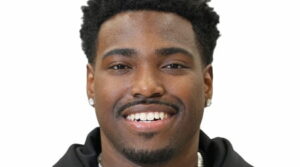
Jalon Daniels has spent the better part of five years as one of the most watched quarterbacks in the Big 12 — and one of the most scrutinized when it comes to durability. The Kansas Jayhawks dual-threat QB out of Lawndale, California, exploded onto the national radar during the 2022 season, when he led Kansas to a 5-0 start and landed on Heisman watch lists before a shoulder injury derailed the run. Then came the back trouble in 2023 that cost him most of the year. Every time he takes a hit now, the questions start again: can his body hold up?
That’s why his fueling matters. Jalon Daniels is listed at about 6’0″ and 210–215 lbs, compact for a guy who runs the ball as often as he does. He’s not a pocket statue — he’s taking quarterback hits and running back hits, sometimes 10 to 15 carries a game, sprinting, cutting, and absorbing contact on designed runs. Carrying enough lean mass to survive that, without getting heavy enough to lose the burst that makes him special, is a nutrition problem before it’s a weight room problem.
Worth being upfront: Daniels has never published a meal plan or signed a supplement deal. What follows is built from what’s publicly known about the Kansas football performance program under Lance Leipold and sports performance director Matt Gildersleeve, standard Power Four fueling-station setups, and published sports nutrition targets for a 215-lb athlete at his workload. Treat it as a realistic model, not a leaked grocery list.
What Jalon Daniels Eats in a Day
Breakfast
Early lifts at Kansas typically start before 7 a.m. in season, so breakfast is split. Pre-lift it’s a banana, a slice of toast with honey, and maybe half a protein shake — fast carbs, nothing heavy.
Post-lift is the big one: 4–5 scrambled whole eggs or an egg-white omelet with turkey and peppers, a cup of oatmeal with berries and brown sugar, two or three turkey sausage links, and a tall glass of orange juice or chocolate milk. That’s about 55–60g of protein and 100g of carbs in one sitting.
Mid-Morning Snack
Between classes and meetings, this is the fueling-station window: Greek yogurt with granola, a handful of almonds, a PB&J, or a bagel with cream cheese. Programs stock these because athletes skip meals when the schedule gets tight — and an under-fueled quarterback is a brittle quarterback.
Lunch
Grilled chicken breast (8 oz or so), white rice or a baked potato, roasted broccoli and carrots, plus a side salad with olive oil. Sometimes it’s a burrito bowl — rice, double chicken, black beans, corn salsa, guacamole. The template barely changes: lean protein, a generous starch, something green, a little fat.
Afternoon Snack
Practice fuel. Thirty to sixty minutes before the field, something easy on the stomach — a sports drink, a banana, applesauce pouches, or a low-fiber granola bar. During practice it’s electrolyte drink and water. Kansas practices in August heat and November wind, and hydration swings of even 2% body weight tank sprint speed and reaction time.
Dinner
The recovery meal: grilled salmon or lean steak, sweet potato or pasta, sautéed spinach or green beans, and a dinner roll. On heavier running days the carbs get bumped. Glycogen replacement after a practice with 12 designed runs isn’t optional.
Evening / Before Bed
Casein-style slow protein before sleep: cottage cheese with pineapple, or a glass of milk with a scoop of whey. Some nights it’s a protein shake plus trail mix. Sleep is when tissue repair happens, and for a guy rebuilding from back surgery, overnight amino acids aren’t a small detail.
Diet Rules and Principles
There’s no trendy label here. No keto, no intermittent fasting, no carnivore nonsense. Daniels eats on a classic high-carb, high-protein athlete framework because that’s what the sport demands. Fasting a dual-threat quarterback through a morning lift would be athletic malpractice.
The non-negotiables are consistent across elite college programs: eat every three hours, never skip post-lift fuel, keep fried food and soda to a minimum during the week, and hydrate relentlessly. Alcohol is largely out in season — it blunts protein synthesis and wrecks sleep quality.
Weight management is the other piece. Daniels has carried different playing weights across his career, with the target being functional mass without losing acceleration — a modest calorie surplus in the offseason, maintenance in season, not bulking for a number on a scale.
Supplements
Daniels hasn’t disclosed a specific stack. NCAA rules restrict what schools can provide, but permissible staples at a program like Kansas include whey and casein protein, creatine monohydrate (5g daily — the most research-backed supplement in sports), electrolyte and carbohydrate drinks, a daily multivitamins, vitamin D (critical in a Kansas winter), omega-3 fish oil for joint and recovery support, and occasionally collagen with vitamin C for connective tissue. Everything has to be NSF Certified for Sport to avoid banned-substance contamination.
Cheat Meals and Indulgences
Daniels is a Southern California kid, and SoCal kids have opinions about tacos and In-N-Out. Post-game and bye weeks are where the structure loosens — burgers, wings, pizza with teammates, ice cream. For an athlete burning close to 4,000 calories a day, a cheat meal isn’t a setback, it’s calories. The rule most college nutritionists push: enjoy it Saturday night, be back on plan Sunday morning.
Estimated Daily Macros
| Nutrient | Amount |
|---|---|
| Calories | ~4,000 kcal |
| Protein | ~200g |
| Carbohydrates | ~500g |
| Fat | ~110g |
That works out to about 2g of protein and 5g of carbs per kilogram of body weight — in line with published guidelines for a high-volume team-sport athlete in season.
Expert Verdict
The food choices are genuinely good — whole eggs, oats, lean meat, fish, rice, potatoes, fruit, vegetables, dairy. Nothing exotic, nothing extreme. That’s the point.
But the volume is the catch. Four thousand calories a day is built for someone doing two-a-days and running 12 times a game. Copy the structure and ignore the quantity: eat protein at every meal, time carbs around training, hydrate, and don’t skip meals. Cut the portions to match your actual activity level and this becomes sustainable for almost anyone. Eat it as written while sitting at a desk and you’ll gain 30 lbs by spring.
Frequently Asked Questions
What does Jalon Daniels eat in a day?
A typical day is modeled around a split breakfast (banana and toast pre-lift, then eggs, oatmeal and turkey sausage after), a mid-morning fueling-station snack, grilled chicken with rice and vegetables for lunch, and easy pre-practice carbs like a banana or sports drink.
What does Jalon Daniels eat for breakfast?
Before early lifts he keeps it light with a banana, toast with honey and half a protein shake. Post-lift he loads up with 4–5 eggs or an egg-white omelet, oatmeal with berries, turkey sausage and orange juice or chocolate milk — roughly 55–60g protein and 100g carbs.
What foods does Jalon Daniels avoid?
Before practice he steers clear of heavy, high-fiber or fatty foods that sit in the stomach, sticking to low-fiber granola bars, applesauce pouches and sports drinks instead.
Does Jalon Daniels take supplements?
He has never signed a supplement deal or published a protocol. His routine reflects standard Power Four program staples like protein shakes, electrolyte drinks and chocolate milk for recovery.
Does Jalon Daniels eat cheat meals?
Like most college athletes, he builds in flexible meals such as burrito bowls with double chicken, rice, black beans and guacamole rather than strict off-limits rules.
What is Jalon Daniels’s diet philosophy?
Eat enough to carry lean mass at 210–215 lbs without losing the burst that makes him a dual-threat quarterback — lean protein, generous starch, vegetables and a little fat at nearly every meal.
More Jalon Daniels Celebrities
Trending Now



Recommended Fitness Gear
Last Updated: October 17, 2026 | Source: Healthy Celeb