This article contains affiliate links. We may earn a small commission if you purchase through these links, at no extra cost to you.
Andrea Kimi Antonelli’s Diet Overview
Andrea Kimi Antonelli went from Formula 2 rookie to Mercedes Formula 1 driver before his 19th birthday, stepping into the seat Lewis Hamilton vacated at the end of 2024. That’s a brutal jump for anyone — and it’s even harder when you’re one of the tallest drivers on the grid. At about 1.86 m (6 ft 1 in) and a reported race weight in the region of 70 kg, Andrea Kimi Antonelli has to carry serious neck and core strength while staying lean enough to work inside F1’s weight rules.
Under the 2025 regulations, the driver plus seat must weigh at least 82 kg, and the total car-plus-driver minimum sits at 800 kg. Any kilo over the threshold is dead weight the car has to haul around. Taller drivers naturally sit closer to — or above — the limit, so nutrition becomes about building muscle in the right places (neck, shoulders, core, forearms) without padding anywhere else.
Antonelli hasn’t published a meal plan, and Mercedes keeps its drivers’ performance programs fairly quiet. What follows is based on public comments about his physical preparation, standard Mercedes driver-performance practice, and the Emilia-Romagna eating culture he grew up in. Treat the specific portions as an informed reconstruction, not a leaked diet sheet.
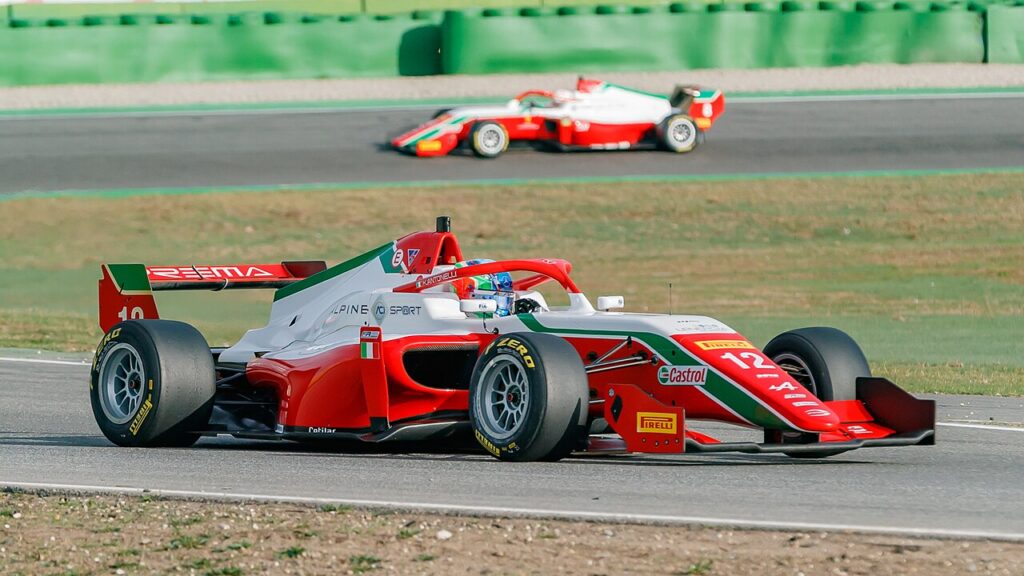
Image: Steffen Prößdorf / CC BY-SA 4.0, via Wikimedia Commons
What Andrea Kimi Antonelli Eats in a Day
Breakfast
A race-weekend morning starts early and starts big, because the hardest physical work — a Grand Prix distance in a hot cockpit — comes later. Think 80–100g of oats cooked with milk, a banana, a scoop of honey, plus eggs on the side: three or four whole eggs or an egg-white-heavy scramble with a slice or two of sourdough. Espresso, obviously. He’s Italian.
Total protein at breakfast lands around 40g, with the slow carbs doing the heavy lifting for a driver burning through glycogen in qualifying or the race.
Mid-Morning Snack
Greek yogurt with berries, or a handful of almonds and a piece of fruit. On race day it’s simpler — often just a banana and electrolyte drink, since nothing bloating goes in before a driver climbs into a seat that sits him nearly flat on his back.
Lunch
This is where the Mediterranean upbringing shows: pasta with olive oil and a simple tomato or pesto base, grilled chicken or white fish, and a big plate of vegetables. Portion-wise, about 100–120g of dry pasta, 150–200g of protein, and whatever greens the chef puts down.
Mercedes travels with its own catering and nutrition staff, so circuit meals are weighed and built around the session schedule — lower carb on a light Friday, loaded up the day before a race.
Afternoon Snack
Rice cakes with nut butter, a protein shake after gym work, or fruit. Hydration is the real focus — drivers can lose two to three kilos in sweat during a hot race at Singapore or Qatar, so sodium-loaded fluids go in all afternoon, not just at the last minute.
Dinner
Lean protein and vegetables with a moderate carb portion: grilled steak, salmon, or chicken with roasted potatoes, farro, or risotto. Olive oil everywhere. Very little fried food and almost no heavy cream sauces during a race week — those come at home in Bologna, not at the track.
Evening / Before Bed
Something light and casein-heavy for overnight recovery: Greek yogurt, cottage cheese, or a slow-digesting protein shake. Herbal tea. Sleep is treated as part of the program, and Antonelli has talked about how much adjustment the F1 travel calendar required in his first season.
Diet Rules and Principles
No fad diet here — it’s a performance-tuned Mediterranean approach: olive oil as the primary fat, fish and lean meat, plenty of pasta and rice timed around training, and vegetables at every meal.
What gets cut: alcohol (he was under the legal drinking age in much of the world for most of his debut season anyway), fried food, sugary drinks, and anything that causes digestive trouble inside a car. Fibre gets dialled back on race morning for the same reason endurance athletes avoid it before a start.
The other non-negotiable is weight consistency. Antonelli spent the 2024–25 off-season building neck and upper-body strength for the physical demands of F1 machinery, so he needs enough protein to support muscle gain while keeping total mass under control. Those two goals pull in opposite directions, and managing that tension is the whole game.
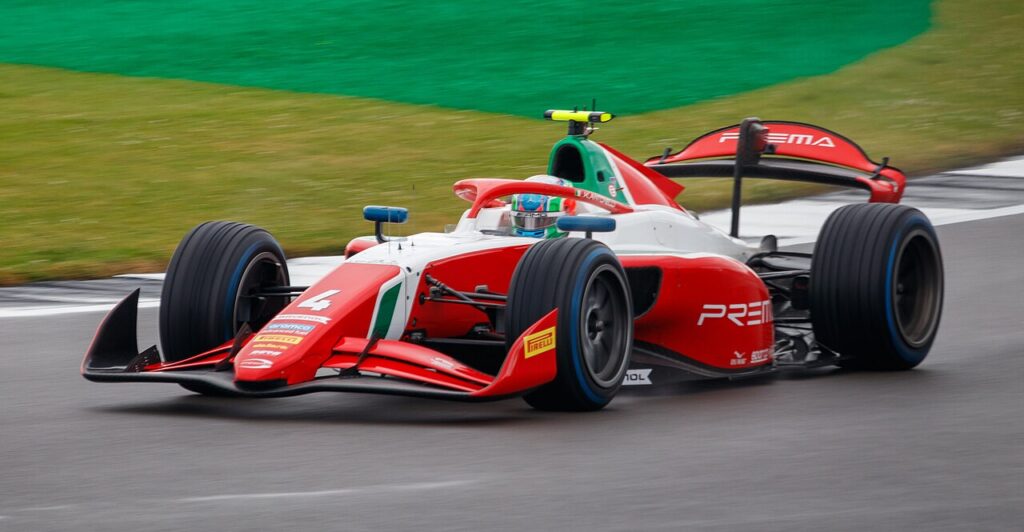
Image: Jen Ross / CC BY 2.0, via Wikimedia Commons
Supplements
Antonelli hasn’t named specific brands or products. Standard practice across the grid includes whey or casein protein powder, electrolyte and carbohydrate drink mixes for in-car hydration, vitamin D (drivers spend a lot of time indoors and in simulators), magnesium for cramping and sleep, and omega-3s. Everything has to be screened against anti-doping rules, so teams source from batch-tested suppliers.
Cheat Meals and Indulgences
He’s from Bologna. Tortellini in brodo, tagliatelle al ragù, and mortadella are regional birthright, and there’s no reason to think he skips them in the off-season. Gelato is the other obvious one. Most drivers stay strict during a race week and relax in the gaps between triple-headers and over the winter break — with the caveat that pre-season testing weigh-ins are coming.
Estimated Daily Macros
| Nutrient | Amount |
|---|---|
| Calories | ~2,900 kcal |
| Protein | ~150g |
| Carbohydrates | ~340g |
| Fat | ~90g |
Race days can push higher on fluid and carb intake; recovery days run leaner.
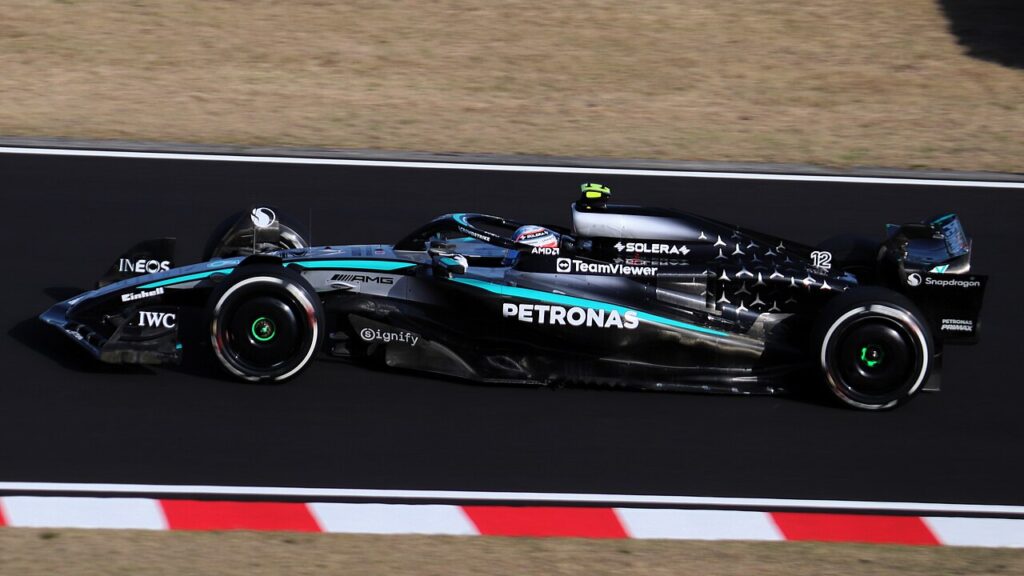
Image: Liauzh / CC BY-SA 4.0, via Wikimedia Commons
Expert Verdict
This is one of the more copyable athlete diets out there. Whole grains, olive oil, fish, lean meat, vegetables, controlled portions — that’s just a Mediterranean diet, consistently ranked among the healthiest eating patterns going. Nothing’s eliminated, nothing’s extreme.
The part you shouldn’t copy is the calorie total. A teenage F1 driver training twice a day and sweating out kilos in a 50°C cockpit needs about 2,900 kcal. Most desk-bound adults need considerably less. Scale the portions down, keep the food choices, and you’ve got a genuinely sustainable plan.
Frequently Asked Questions
What does Andrea Kimi Antonelli eat in a day?
A typical day features an oats-and-eggs breakfast, Greek yogurt or fruit mid-morning, pasta with olive oil plus grilled chicken or white fish at lunch, a protein shake or rice cakes in the afternoon, and lean protein with vegetables at dinner. Portions are built around his session schedule across a race weekend.
What does Kimi Antonelli eat for breakfast?
Roughly 80–100g of oats cooked with milk, a banana and honey, plus three or four whole eggs or an egg-white scramble with sourdough. It lands around 40g of protein, and there’s always an espresso.
What foods does Andrea Kimi Antonelli avoid?
He avoids anything bloating or heavy right before climbing into the car, since F1 drivers sit nearly flat on their backs. Excess calories are also kept in check because every extra kilo over the 82kg driver-plus-seat minimum is dead weight for the car.
What supplements does Kimi Antonelli use?
Based on standard Mercedes driver-performance practice, his routine centres on electrolyte and sodium-loaded hydration drinks plus post-gym protein shakes rather than exotic supplementation.
How much does Andrea Kimi Antonelli weigh and why does it matter?
He stands about 1.86m (6ft 1in) with a reported race weight around 70kg. Under 2025 F1 rules the driver plus seat must hit 82kg minimum, so taller drivers like Antonelli must add muscle only where it helps — neck, shoulders, core and forearms.
Does Kimi Antonelli eat cheat meals?
Growing up in Emilia-Romagna, his diet already leans on pasta, olive oil and real Italian cooking, so indulgences are handled in the off-weeks rather than during race weekends when Mercedes caterers weigh and time every meal.
Trending Now



Recommended Fitness Gear
Last Updated: October 30, 2026 | Source: Healthy Celeb